


With prolonged abstinence from confectionery and other sweets, weight begins to fall off.Therefore, by removing these foods from the diet, we can safely say that a lighter version of the keto diet is being used.Today, this nutrition program is becoming increasingly popular.
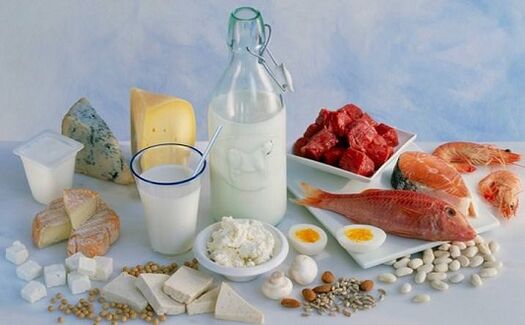
Operating principle
This is explained by the fact that in the process of burning fat, calorie intake is not lost, as a result of which muscle mass and a good metabolic rate are maintained.
The principle of this dietary nutrition is as follows: so-called ketone bodies appear in the body during the process of lipolysis (excess fat entering the blood).In the future, the body uses these fats as energy.
Ketone bodies appear in the liver with limited glucose intake.This phenomenon is the reason for the reduced consumption of carbohydrates (no more than 100 grams per day is allowed).
If you do not take into account the fact that proteins and fats do not play a big role in the formation of ketone bodies, they can generally increase the calorie content of the menu.It is important to remember that any diet implies a lack of calories, therefore, with a keto diet, it is necessary to maintain the level of carbohydrates and other nutritional components.
By creating conditions for a lack of calories (mainly due to carbohydrates), the process of burning fat occurs.
The principles of the keto diet are simple:
- A few days in advance, you need to calculate the energy value of your usual menu using a calorie calculator.Thanks to the calculation, you will be able to find out the average daily calorie intake.From the beginning of following this diet, you need to reduce the calculated number of calories by 500-700.
- It is important to remove alcoholic drinks from the diet, as they have no benefit.
- Foods containing carbohydrates should be removed.Vegetables are a source of carbohydrates, since the fiber present in these products is a complex carbohydrate.That's why vegetables are prohibited.It is permissible to eat no more than 200g of green vegetables per day.This could be greens or lettuce.
- Protein foods should be the main source of nutrition.
- It is permissible to consume vegetable fats.
- The menu may include eggs, butter, nuts, fish, and meat.It is very important to control your calorie intake.
Diet and exercise must be combined.Since the keto diet is one of the diets that does not reduce the amount of muscle tissue, but only fat, it immediately becomes obvious that after some time the body will become more prominent.To make it more attractive, it is important to exercise on sports equipment, which will speed up the process of fat processing.
People who have not previously engaged in intense physical exercise can consume up to 40 grams of pure carbohydrates during a ketogenic diet.
Efficiency
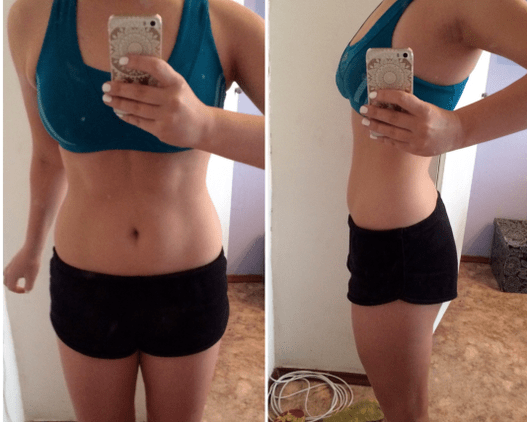
Considering that daily calorie intake is reduced by about 15%, switching to this diet makes it possible to quickly and effectively get rid of accumulated fat.After a week of following a diet, you can lose up to 3 kg without feeling hungry.
The nutrition program does not slow down the metabolic process, as it does not have a stressful effect on the body.Therefore, the lost weight does not return even if a person switches to the same diet, including carbohydrates.
From the experience of many people, it can be said that in 3 weeks of following the keto diet, you can achieve a reduction of a couple of sizes and long-lasting results.If in the future a person adheres to proper nutrition and consumes carbohydrates in a normal amount, then weight loss will continue as normal.
The difference between the keto diet and simple low-carb diets is its long duration and systematic nature.In the first week, the body gets used to the changes and eats from reserves.By the second week, the process of burning subcutaneous fat begins.
The body prepares for ketosis in 4 stages:
- Absolute glucose consumption.The first half of the day after the end of the last meal, the body uses up glucose, which came from carbohydrates.
- Complete waste of glycogen.Within 12 hours, the body processes the entire amount of glucose, and then the body takes glycogen from the reserves of the muscles and liver.This stage lasts about 1-2 days.
- Waste of protein and fat.This stage is the most difficult, since, having used up all reserves of carbohydrates, the body moves on to processing fatty acids, as well as producing the required amount of protein and glucose.At this stage, the body uses protein as an energy source.
- Fat consumption.Approximately on day 7 of keto nutrition, this process is observed.The body gets used to the carbohydrate deficiency and ketosis begins.The process of breakdown of your own and food protein slows down and fat becomes the main source.
Menu for the week
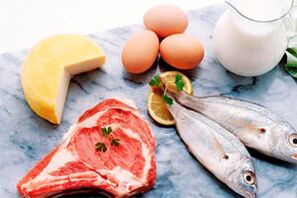
Next, it is important to familiarize yourself with the menu for the week.
For breakfast you can eat the following foods:
- scrambled eggs from 3 eggs (per 180 g - 264 kcal);
- a serving of protein shake (30 g – 121 kcal);
- toast with cheese (50 g - 197 kcal);
The following foods are allowed for lunch:
- boiled dark rice (88 kcal per 30 g);
- boiled or fried chicken breast in olive oil (170 g - 276 kcal);
- hard cheese (per 30 g - 109 kcal);
For afternoon tea you can eat:
- almonds (per 30 g – 121 kcal);
- protein shake (per serving – 134 kcal);
For dinner you are allowed:
- salmon (per 130 g – 256 kcal);
- dark rice (30 g – 88 kcal);
- lettuce (30 g);
For the second dinner you can eat:
- cottage cheese (100 g);
- casein (30 g);
Such a nutrition program allows you to eat 1938 kcal per day.With such products, the body receives 211 grams of protein, 90 grams of fat and 81 grams of carbohydrates.This menu should not be considered a strict diet that cannot be disrupted or adjusted.This is a sample menu that shows how much protein, fat and calories should be in your daily diet.
List of permitted and prohibited products
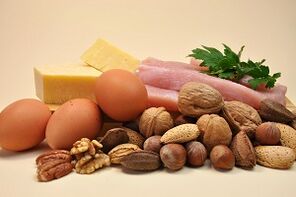
The following foods are allowed on the keto diet:
- fish (including fatty varieties);
- meat of any kind;
- cheese;
- cottage cheese (it is advisable to give preference to low-fat);
- nuts;
- eggs;
- vegetables (not all);
- dairy products.
Regarding vegetables, it is worth clarifying.They contain some carbohydrates, so it is important to control the total amount of calories (the amount consumed at a time should not be more than 40 grams).
Regarding meat and dairy products, it is important to say that these products can be consumed in any quantity.Among meats, it is optimal to give preference to chicken or turkey.Among dairy products, the most useful are low-fat milk, kefir, and yogurt without additives.Among the fish, it is better to eat herring and salmon.
Prohibited foods when following the keto diet are:
- baked goods and confectionery;
- bananas and sweet grapes;
- beet;
- carrot;
- potato;
- cereals;
- pasta;
- sugar.
Advantages and Disadvantages

Pros of the diet:
- The most significant advantage of this diet is the rapid burning of fat.This is important, in particular, for athletes, since with other diets muscle mass is lost along with fat.When your muscle mass levels drop, your metabolism slows down as well.
- This diet can be followed by people who do not exercise.With this diet, the feeling of hunger does not appear and calories do not disappear.We can say that the reduced amount of carbohydrates is replaced by fats.But it is worth remembering that calorie content should not go beyond the limits.In this regard, the consumption of fats and proteins should be controlled.
- Another advantage of the diet is monitoring your appetite.With this diet, hunger is eliminated, since protein and fatty foods prevent you from starving and losing weight at the same time.The key point is that the weight does not return after completing the diet.
Disadvantages of the diet:
- Since only protein foods are consumed on the menu, negative aspects such as bloating, constipation, and heaviness in the stomach may be observed.This phenomenon is explained by the fact that the food that is allowed during the diet does not contain fiber (it is found in bread, vegetables, potatoes, and fruits).To prevent digestion from suffering, you need to eat cabbage, apples, and sour grapes in very small quantities.
- It is difficult to determine what a lack of glucose will entail.All people's bodies react differently to a deficiency of this element.Therefore, weakness and malaise may occur in the first week.For the results to be visible, you need to last at least 3 weeks.
Contraindications
You cannot follow a diet in the following cases:
- Diseases of diabetes mellitus, pathologies of the kidneys, digestive system and intestines.
- Work related to mental stress (lack of glucose will affect the quality of work).
- Strong physical activity.
Reviews
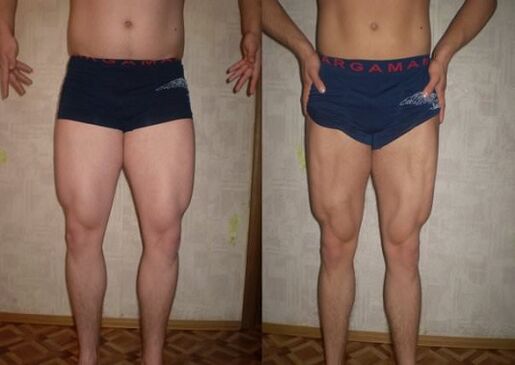
- Review No. 1: “For me, the diet turned out to be easy and very effective. I ate almost nothing but vegetables and fruits. In the first days, it was hard to switch to a different diet; I felt weak and wanted to sleep. However, over time, my body adapted, and it was easy for me to eat differently. I go in for sports, so I lost 5 kg in about a month, and the weight remained the same even after the diet.”
- Review No. 2: “You can’t stay on such a diet for a long time, as stress arises due to a lack of glucose. But I took vitamins that support the immune system and drank herbal tea to calm down. I managed to lose weight and get in shape in a short time. I think that from time to time I will turn to the keto diet.”
- Review No. 3: “I followed this diet for fun. Almost without changing my diet, I managed to lose weight and start my metabolism. I reached a state of ketosis by reducing the amount of carbohydrates consumed. The body was full, there was no feeling of hunger, and 7 kg were lost in a month. I think this is an excellent result, and to this day I control the carbohydrates the body receives.”